




 |
| Killdeer.This wader is similar to our ringed plover that we have in the british isles.Its about 15% larger with a longer bill and strikingly longer tail.Noticeable are the 2 black chest rings.Last year one of these birds dropped into a local wetland causing much excitement amongst the birdwatchers.Its call includes the classic `kill-dee` whence its name derives.A lovely bird to observe with quite a few being present. |
 |
| Very approachable with the camera! |
 |
| Blue heron were also quite accomodating. |

 |
| Iwas surprised to find this Whimbrel amongst the scrub by the lagoon,good numbers are migrating north through the country as I type this blog now.Lancashire was always a good stop off point for the birds to refuell.The river ribble nr to brockholes nature reserve was a favoured area. |
 |
| An American Kestrel rests atop a telegraph post.Plenty of insects were available for it to feed on! |
 |
| The northern mocking bird is similar in size to our blackbird.Its babbling song contains much mimicry and was a constant sound to be heard on the island. |
 |
| This brief view of a warbler turned out to be a prairie warbler,very common in southern america!Almost in full breeding plummage.There wasn`t too many birds to be seen really on my walk around,but I think that was due to the time of day.Early morning would surely produce many more species. |
 |
| Well another sunset to finish off the day.always totally relaxing to watch the last embers die down!!! |
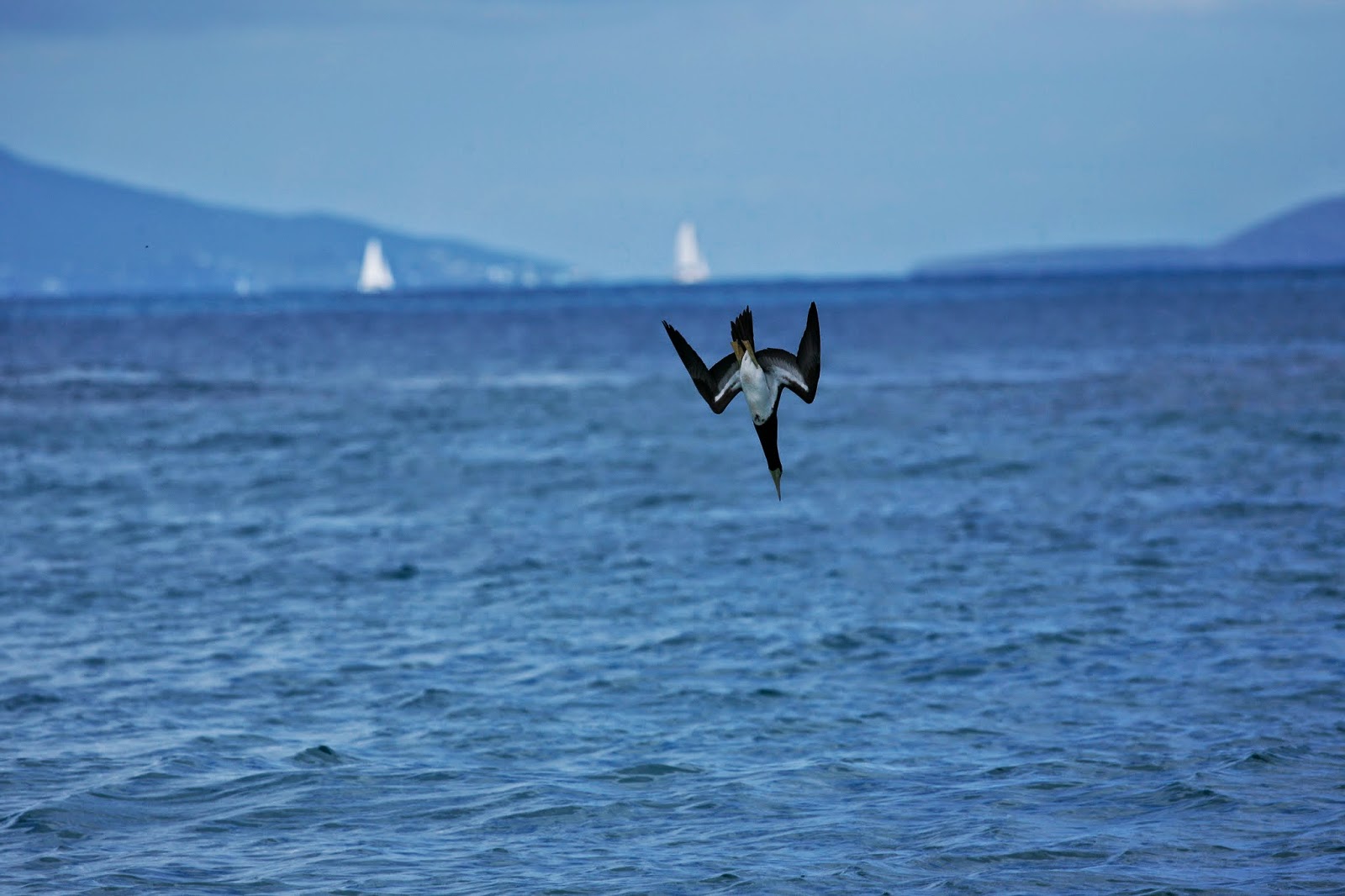 |
| So a few days later we were on another island for the day.It was time to spend an afternoon on the beach.Whilst my wife sunbathed,I went for a short stroll were there seemed to be some bird activity.The brown boobies were diving for fish,so a pleasant hour was spent trying to capture some of the action |
 |
| It was difficult trying to keep the focus locked on the birds,as they came down like exocet missiles. |
 |
| A royal tern was joining in the action,trying to catch some food! |
 |
| At the back of the beach was a small saltmarsh lagoon were this Lesser yellowlegs was feeding. |
 |
| Back on board ship,I spotted this magnificent frigate bird with wing tag attached.When I returned home,I recearched the internet about the scheme and sent off an e mail with attached photo.A day later I received a reply from the person who actually tagged the bird,telling me that it was a 3 yr old female which she had tagged on a neighbouring island as a chick.These birds wander far and wide so she was pleasantly surprised it was still in the vicinity! |
 |
| As ever another stunning sunset to savour.I never get tired of watching the sun go down in the Caribbean seas! Again thanks for dropping by and looking in,and I`ll post more images from the caribbean shortly. |
 |
| I was fortunate to visit the Caribbean holidays with my wife recently,taking a 2 week cruise around the islands.The islands were very varied in habitat and appearance but none the less the birdlife was well worth observing.These sequence of images are from Dominica and show some of the waterbirds that favour the estuarys and lagoons. |
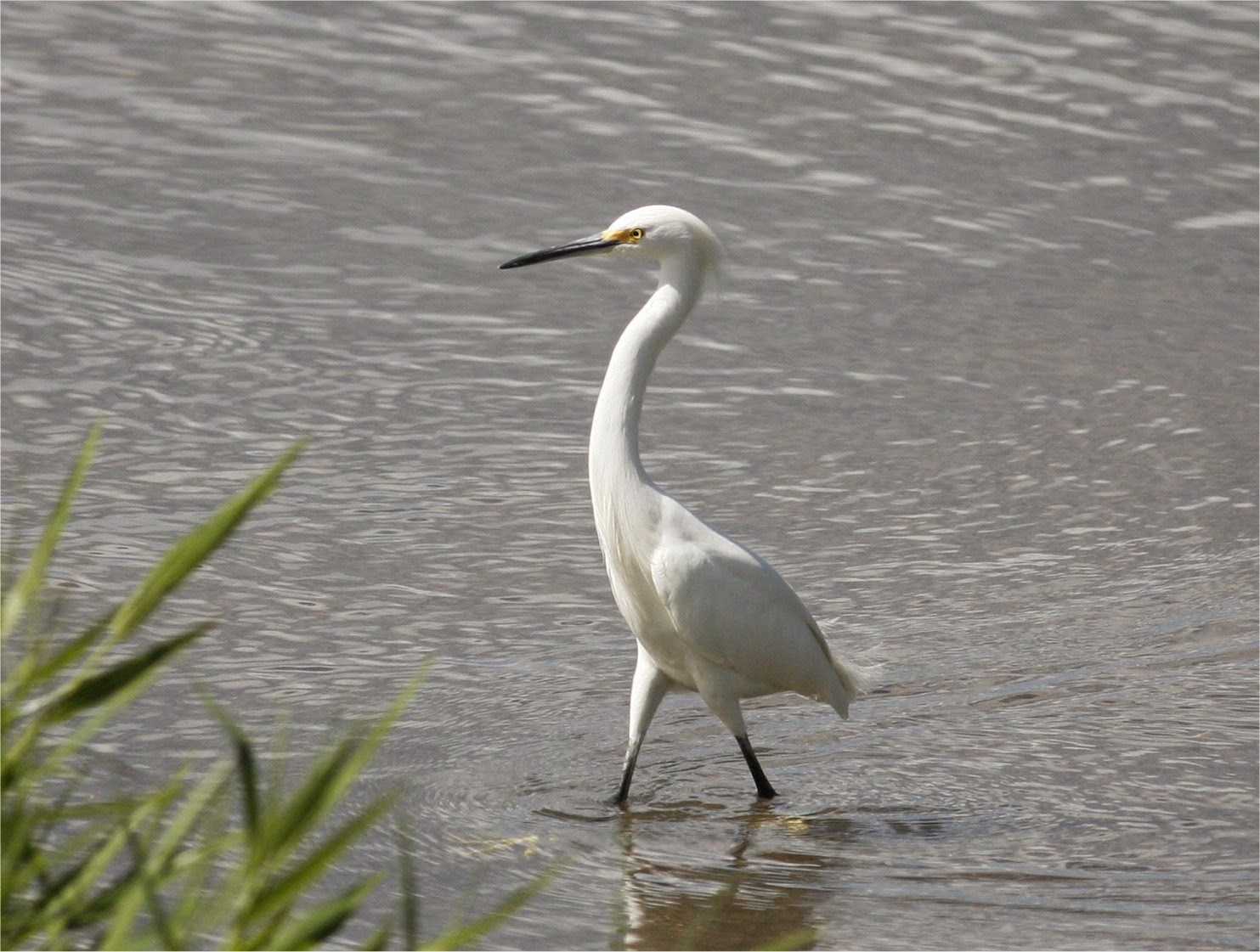 |
| The first 2 shots are of Snowy Egret which were wading the shallow waters looking for food.Very similar to our Little Egret that we have in the UK! |
 |
| The Heron sized Great White Egret was also about,and it was interesting to observe their different fishing techniques. |
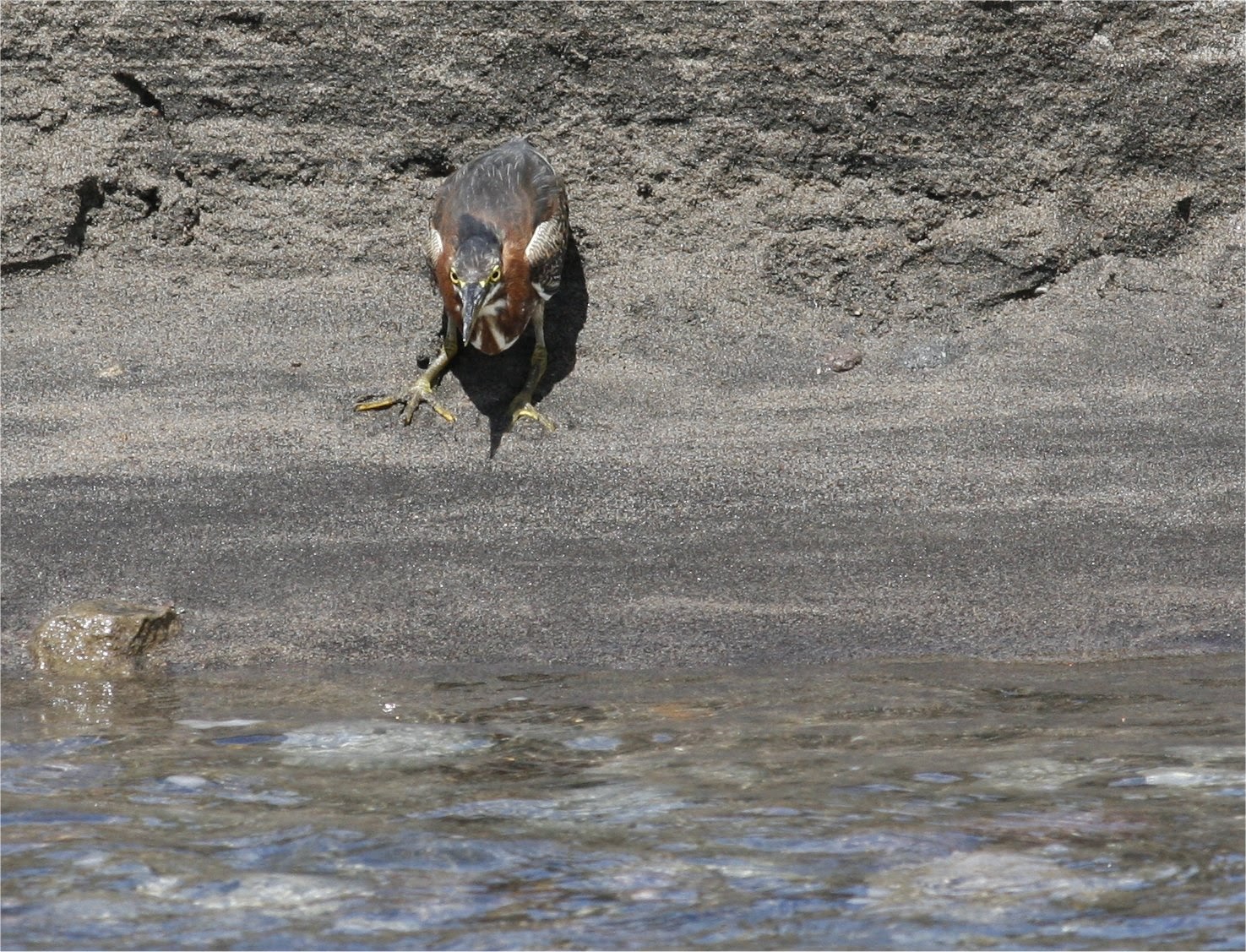 |
| The Green Heron was sharing the estuary and waited patiently for an opportunity to strike. |
 |
| This little Heron was an expert fisher and very rarely missed an opportunity to catch its prey.Whilst I watched it took 3 small fish in quick succession! |
 |
| A really colourful individual,this one took time out to rest in the shade! |
 |
| A very common wader was the Spotted Sandpiper,they seemed to be everywhere with their trilling call always evident. |
 |
| A Grey Kingbird was waiting on the wires for any prey to pass,and would drop down to the ground to take beetles and other small insects! |
 |
| After a hard day seeing the local sights,it was only natural to enjoy a refreshing cocktail. |
 |
| And of course enjoy the marvellous sunsets that the Caribbean is reknowned for!More from the islands will follow shortly,Thanks for looking in!!! |


 |
| Whilst out walking my local moor last month,I came across this injured juv Peregrine Falcon!It was sat directly under one of the 12 windmills that were erected,no doubt hit by one of the rotating blades. Now I`m all for renewable energy but at what cost to wildlife does it come!! |
 |
| Quickly capturing the bird which obviously had serious wing damage,I noticed that it had 2 rings attached to its legs.Aquick phonecall to a local raptor worker and he informed me that it was a last years male that he`d rung from a nest of 3 in the pennines.He couldn`t believe that the young bird had survived,as it was the fourth Peregrine he`d had back,the other three birds were all adult and were found dead below the windmills,2 from Scotland and one from scout moor. |
 |
| I arranged to meet my friend back at my home with the injured Peregrine.An hour later we were on our way to a falconer who would check the bird over and administer anti biotics to the bird.We felt confident that he would survive and be able to release him back into the wild! |
 |
| It was obvious that the bird had a broken wing but seemed healthy enough.A few days went by when Ian the falconer at Wild wings nr Walkden rung me up to tell me that the bird was being collected by an avian vet who specialises in these injuries and could give the bird a proper x ray to determine the damage,the bird was then taken to the vets nr Crewe.8 days went by before the telephone rung again and the news wasn`t good.The bird had been given antibiotics and the wound wasn`t showing any signs of healing up.The vet decided the best course of action was to put the young falcon down.Disaster!I don`t think there was anything else we could have done to try and get the bird fit but we tried our best for it! Last week I walked back up the moor for a recce,checking the turbines for anymore casualties,luckily there were none to be found.I scanned round with the binoculars before I set off for home and there in the distance on one of the many frnce posts was perched an adult Peregrine.Lets hope he doesn`t suffer the same fate as the young male,and goes on to breed for many a year to come!!! |
 |
| Avagas gorge on the outskirts of Paphos is a stunning natural feature.A small river has cut a deep steep sided gorge through the rocks as water flows from the high ground.Its not the Grand Canyon but is a fantastic place to visit.What brought me here was news of a rather special bird that is known to over winter here. |
 |
| It was a 20 min hike up to the gorge from the carpark,but I`d got wind of an interesting visitor from higher altitudes. |
 |
| This is what all the fuss was about,a Wallcreeper.A bird of high mountains ranging from southern europe to central Asia throughout the Himalayas. |
 |
| They breed at altitudes between 1000 and 3000 feet and so are extremely difficult to locate. |
 |
| They have a grey/blue plumage with darker tail and flight feathers.Its most striking plumage feature though are its extraordinary crimson wings,largely hidden when its wings are folded. |
 |
| They can be difficult to see on the mountain faces as they probe for insects and spiders with their long downcurved bill. |
 |
| In winter they are known to move down to lower elevations from where they breed.and can sometimes be viewed quite close.This was one of 2 individuals I found in the gorge,a known wintering spot! |
 |
| Indeed it was a pleasure to watch the Wallcreeper go about its feeding routine and rounded off for me a fantastic weeks holiday to Cyprus.Hope you enjoyed the images of this very special bird and I`d just like to wish my blog followers a very merry christmas and very happy new year,take care now!!! |

