A WALK ON THE WILDSIDE---PAUL FOSTER

hit counter

Wednesday, 24 February 2010

Quest for the Lesser Spotted Woodpecker!

Greater Spotted Woodpecker.
Treecreeper

Coaltit


Nuthatch


I recently got wind of the whereabouts of one of our more elusive birds,the Lesser Spotted Woodpecker.This Greenfinch size bird is on the top of most birders list as a must see.I myself haven`t seen one yet so this was to be a real challenge not least to try and obtain a photograph or two.
February to April would give me the best opportunity to find it, before the leaves appear on the trees.Also it would be setting up a territory for breeding at this time of year.
Armed with what little information I`d gleaned off the particular site,I set forth on my quest!200 acres to go at and 2" high,black and white and frequents the tops of tall trees.Hmm should be a doddle this one! 3 trips and 300 miles later,and still no sign!However I`ve narrowed it down to a particular area near to the carpark and a small clump of trees down the track!
Plenty of other birds were about though to keep me on my toes,namely Nuthatch,Treecreeper, Greater Spotted Woodpeckers coal tits and long tailed tits by the shedful.
Talking to other birders on the site, the LSW had been seen on numerous occasions albeit briefly.One lucky guy observed it for nearly 20 mins at a distance of 10 metres away!Wow what I`d give for that!
There is still plenty of time left yet, for me to hopefully gain some decent images of the bird.Hope you enjoy the images I posted and with a bit of luck my next blog will include the little Woodpecker!!!!!!!!!!!!!


Friday, 22 January 2010

Midwinter Break!

Sardinian Warbler
Southern Grey Shrike

Sardinian Warbler


Berthelots Pipit


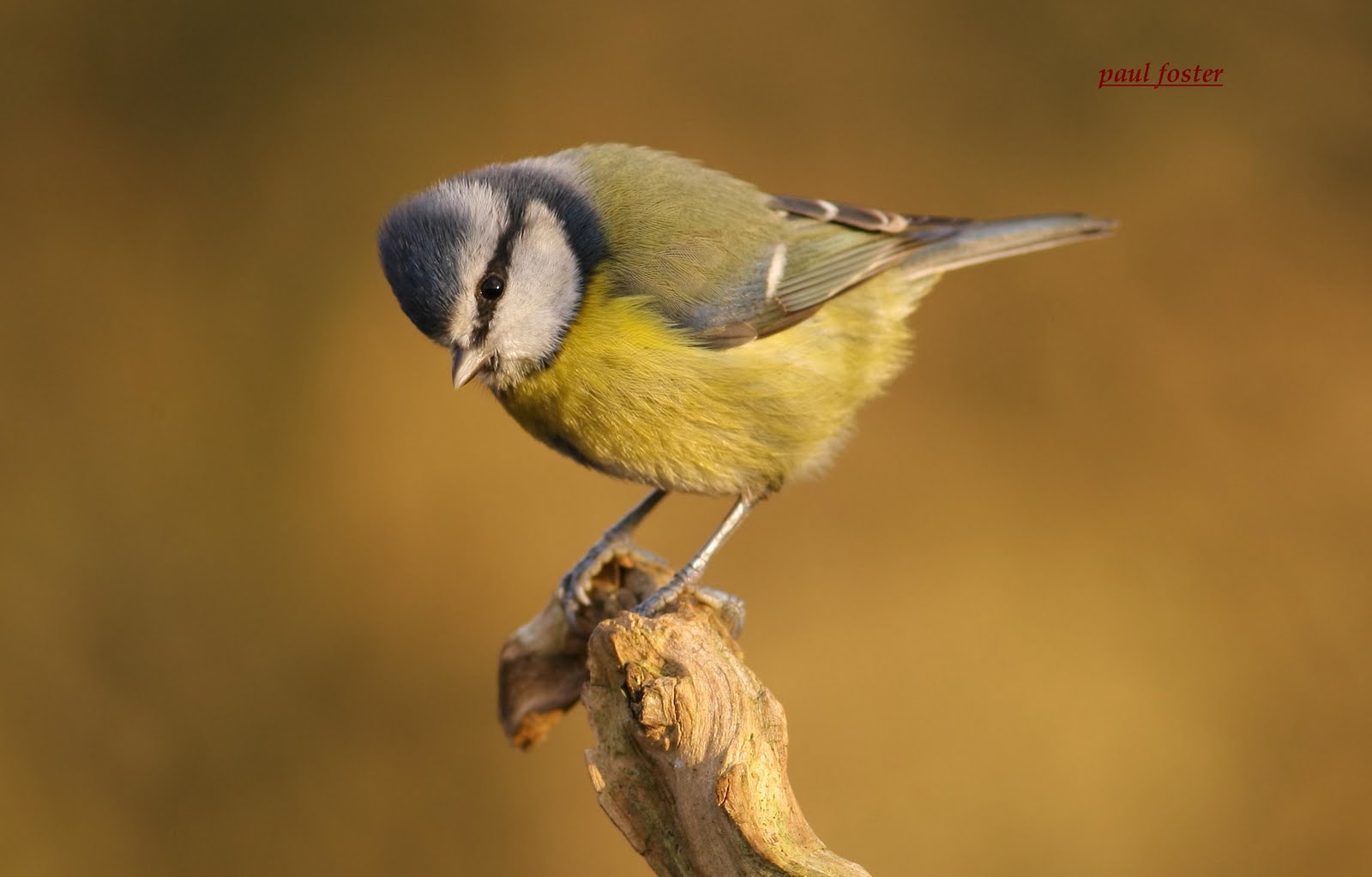
. African Bluetit.
It`s been a while since my last post now, so refreshed from ten glorious days in Tenerife with my familly, I thought I`d better compose a short rundown of how it went.Again I managed to slip my camera and binoculars into my hand luggage as an afterthought.
On leaving Liverpool at - 5 degree celcius we were greeted by 75 degree fahrenheit and a glorious clear blue sky at Tenerife south airport,only 4 hrs away, but my what a contrast.This is our usual destination at this time of year and after a mad Christmas and New Yr its always worth the effort and expense!
Britain was gripped in arctic conditions and we were in no hurry to get back.The apartments my wife had booked were first class and it didn`t take us long to adjust and get in to the swing of things.I`m not one for lying around the pool for any length of time so remembering I`d brought my camera and binocs I told my wife and daughter I`d be disappearing for a few hours to see `what was about`!They should know me better by now.Just behind the apartments was a big mountain with a lot of small thorny type bushes and cactus type plants here and there.I wound my way through the scrub to find a small pipit type bird which turned out to be `Berthelots`.These are very common on the Canaries and I came across numerous on my travels.Not so numerous were the Blue tits I encountered,these were very few and far between.They had a jet black crown on their head which was the only major difference to our native birds in the UK.
In between familly days out to Siam and Lorro Park, the two main tourist attractions on the island, I managed a few more sorties up the mountains and valleys in the hope of seeing some of the endemic species of the island,mainly Blue Chaffinch.Tenerife kinglet and Laurel Pidgeon.In fact all these species eluded me and the main birds I did see were Kestrel ,Collared and Stock Doves and a few Greater Spotted Woodpeckers around the picnic areas at Mt Teide.
As I drove back down to the coast,I took some of the back roads to see what I could find around the banana plantations,almost immediately I spotted a Grey Shrike perched up on some overhead wires it was a lovely bird to see against the blue sky and a few pictures were duly taken.I headed further along the road and parked the car up on some wasteland.I could hear a scratchy type of birdsong in the scrub and on closer inspection it turned out to be a pair of Sardinian Warblers busy catching flies.These let me approach quite close to them ,which is always a bonus when you`ve got the camera with you.
Tenerife no doubt has numerous varieties of birds, but like anything else its knowing where to look for them.Part of birding in new places for me, is the "Not knowing"! whats about,It always gives me a thrill when I do chance upon something new,I suspect that thats the attraction of it all,and together with the photography,it makes it all so very much,the more enjoyable!


Thursday, 24 December 2009

A Touch Of Velvet

Female Velvet Scoter
She gave really good views!

A real rarity inland.
We were graced by the prescence of this sea duck this week at one of our local lakes.Not normally found inland at all, but for some strange reason she dropped into Barrow lower lake near Clitheroe on the 22/12/09.
It caused quite a stir amongst the local birding groups, as I`m led to believe its only the third sighting of this species in East Lancs for a good few years.About 80% of the lake was frozen solid, so the duck was easy to locate and photograph.She seemed almost tame at times coming within a few yards of the bank.She was feeding avidly on freshwater mussels, which she swallowed whole.
The lake seems to hold good numbers of these, so maybe the Scoter will remain for some time.I for one will be keeping a close watch on the situation in the hope of observing this delightful bird on my doorstep!!!!

Saturday, 28 November 2009

Jackhouse Nature Reserve.

Cock Bullfinch
Great Tit

Blue Tit.


Coal Tit
What dreadfull weather we`ve had this last week,the rain and winds seem to have been constant throughout this last seven days.However I picked up a new second hand camera and have been mad keen to use it.The only chance I have had. was literally `in between the showers`.
Close to where I live is a lovely little nature reserve called Jackhouse,except for a few dog walkers and one or two walkers,I literally have the place to myself.It`s a little piece of heaven, where I can go for a few hours and totally be at one with nature.
In Summer its alive with visiting migrant birds, willow warbler/blackcap/garden warbler etc.
For now though, redwing/fieldfare are common, as are numerous members of the tit familly.These inquisitive little birds are a joy to behold when observed at close quarters and really do perform well for the camera.I have spent many an enjoyable hour watching and photographing them and they never cease to amaze me with their antics.
Another bird that frequently appears is the Bullfinch.There are a few pairs that seem to inhabit the reserve and the cock bird with his fine array of colour, is always a pleasure to see and of course photograph!
One bird I haven`t been able to get on camera yet is a greater spotted woodpecker.I usualy hear him calling in the vicinity, then on a few occasions he visits the table, but doesn`t stay very long ,the slightest movement and he`s away.I`ll have to persevere with him,maybe set up a piece of birch with a few holes drilled in crammed with peanuts,I`m sure he`ll stay for those!
I`m just glad to be able to get out and about at the moment, so any break in the weather and I`m reaching for the the wellies and camera gear.Looks like I`m going to be busy with work up to Christmas so opportunities will be at a premium.Roll on Spring!!!!!!!!!!!!


Monday, 16 November 2009

Great Northern Diver


Great Northern Diver.


Up early this morning having got wind of this bird nearby.What I hadn`t contemplated was the gale force winds and lashing rain I encountered on my way to the reservoir.Must be completely mad I thought as I made my way over the tops to Rochdale.At one stage I nearly turned back!


Arriving at the carpark, I wasn`t surprised to find I was the only one there,Had the bird gone!An hour later I`m still sat in the car, the rain hadn`t abated since I set off and worse my flask was nearly empty.A slight chink in the skyline gave me some encouragement.Ah well, get the wet gear on and I`m walking down the bottom end of the lake keeping an eye out.Nothing except for a few Grebes,and not even another birder to talk to.I head back towards the car, the rain has nearly stopped now and I scan the lake for further signs.A few comorants get the heart beating faster, surely it has to be around.Looking beyond the comorants and something `s patrolling the far bank,just can`t make it out at this range with the binocs.Moving closer another birder appears in the direction I saw the bird.She`s looking intently at something.Yep it`s the Diver, and by the time I get the tripod set up,it`s moved directly in front of me about 45 metres out.Thank God for that I think as I take a few shots.Iv`e never seen one before so its a lifer for me, but blimer what a challenge in these conditions.It just makes it worthwhile when you do finally get a few images, though this new found hobby of mine is becoming harder in the Winter months.Roll on Spring!


Wednesday, 11 November 2009

Sizeargh Revisited!

This one showed briefly.
Luck was with me this morning as I managed to capture a few decent images of the elusive Hawfinch.This one was one of a group of three that flew in and landed right at the top of a Hornbeam about 40 metres away. They are quite a flighty bird and I didn`t have much time before he was lost in the dense foilage!


Tuesday, 10 November 2009

Hawfinch and Hornbeam.

The fruit within the cluster.
These fruit clusters are one of the reasons the Hawfinch gather at this particular site.

One of the Hornbeam trees in the centre of the carpark at Sizeargh.


A beautiful sunrise greeted me as I made my way up to the South Lakes,I was heading for Sizeargh Castle owned by the National Trust.However it wasn`t the splendid residence that attracted me here, but the good numbers of Hawfinch that had been reported recently.
These birds probably come from Eastern Europe, namely Bulgaria and Hungary, where they are common! At Sizeargh, especially around the cafe carpark ,there are quite a few Hornbeam trees.They are laden with small kernels which lie within the fruit clusters.The Hawfinch uses its huge beak to crack these open and feed ravenously on them.This time however I wasn`t able to capture any good quality images of the birds as they were well concealed at the top most part of the trees.The few shots I did get were distant and I was rather disappointed at the quality.None the less I`d spent a marvellous few hours up at Sizeargh especially as the weather for once was obliging.It was well worth the early start as I still had time to call in on Leighton Moss on my way home.I`ll just finish now on some interesting facts about the Hornbeam tree which I researched when I got home later that day,
The Hornbeam besides being a good food source for the Finches, is one of the hardest and strongest of all timbers .It is still used today for making of all things,piano hammers and chopping boards.It is a good fuel source and makes high quality charcoals!In years gone by it was widely used to make waterwheels before castiron was brought in!

Tuesday, 3 November 2009

Spurn Point(part 2)

Jack Snipe
Common Snipe.

Fieldfare alongside a Redwing,a nice comparison!


The pilots pier at Spurn .


The present lighthouse at Spurn.


Picking up from my last blog,the lighthouse above was built in 1893/95 however it was decommisioned in 1986 and now the only visible lights flashing are the green lights at the end of the pier which the pilots out on the Humber estuary use.The lifeboat station however was built earlier in 1810 and is crewed by staff who are the only crew to be fully paid,52 weeks a year.


Going back to the bird theme on Spurn, which is what I really came to see,I noticed a few Fieldfare in amongst the Redwing,usually they are rather flighty and are difficult to photograph,but I was allowed to creep quite close to one near to the lighthouse.They are about the size of a Mistle Thrush and have a beautiful slate grey head and mottled chest.On this particular day, the Redwing far outnumbered the Fieldfare


Walking back towards the main bird observatory,I called in to a hide overlooking the canal scrape,the two species of Snipe were both present.It`s not that often you see these at close quarters but I was lucky to be in the right place at the right time and managed a few decent shots.Size is the main difference in these birds with the Jack Snipe being much smaller,it also seemed to prefer the cover of the reedbed to feed, and has has a very particular bobbing motion when viewed.Moving on back towards the carpark the light was now beginning to fade so I decided to call it a day.I was well pleased with my efforts to capture a few images of the visitors and inhabitants of Spurn and can throughly recommend a days visit to anyone.It is well worth a trip and you never know what type of migrant rarity you may encounter.I`ll be returning next year at the middle of September,I`ll keep you informed!


Sunday, 1 November 2009

Spurn Point

This Sparrowhawk was combing the bushes,looking for its next meal.
This Redwing was feeding on insects.

Brent Geese coming in to feed.


Noisy Little Wren.
I had a pleasent few days lately visiting the East Yorkshire area of Spurn Point.It is a well known bird observatory, where they monitor and ring birds for record purposes.At this time of year there are lots of migrants passing through,the majority of which are the Thrushes from Eastern Europe and Scandanavia,namely Redwing,Fieldfare and good numbers of Blackbird.On one of the days there, some 7500 were recorded flying South.
Good numbers of Brent Geese were present feeding on the estuary,these are one of the smallest of the goose species and again come to our shores to escape the harsh climate of Eastern Europe.Here they can rest up after their arduous journey and I enjoyed watching them from the comfort of the hide.Wrens were quite numerous in the Buckthorn and I managed to take a few quick pictures of one as it showed noisily close by.
Spurn is a 3 mile strip of land and in places only 60 metres wide covered in Buckthorn bushes.The Yorkshire wildlife trust manage this inhospitable piece of land, but spare a thought also for the lifeboat crew and their famillies, who permanantly live on the very tip of the point.Some seven famillies live isolated together in a little community 12 momths of the year.What a marvellous job these people do, saving the lives of people who get into difficulty on board their vessels.I believe there has been a lighthouse here for the past 200 years,sending out its warning to unwary seafarers.
I hope to post a few more pictures in my next blog of this maevellous place.