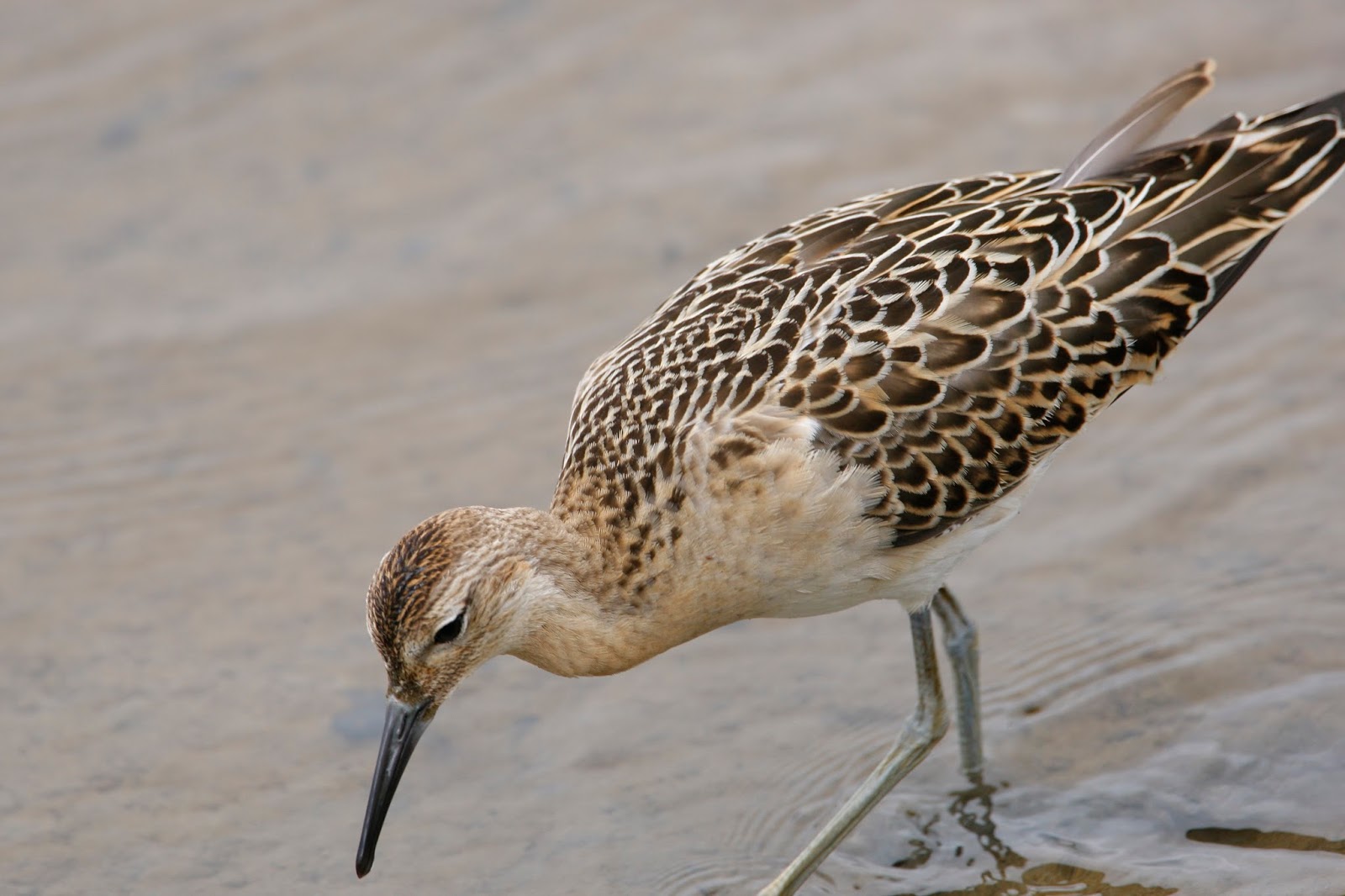
| A nice adult at rest amongst the nettles. |
Friday, 6 September 2013
Tuesday, 3 September 2013
Arctic visitors in Lancs!
| Add caption |
Friday, 16 August 2013
Bonellis Eagle at Anarita/ Cyprus
![]() |
| The male was the one that had chased what looked like a magpie and had plucked it on some rocks. |
![]() |
| Two at once with the smaller male carrying the prey,so priveleged to have witnessed these. |
| Again a view to die for,less than 40 metres away and captured on camera! |
![]() |
| I was watching this female Montagues Harrier hunting the slopes when the Bonellis made a guest appearance.Thanks for looking in on my blog and I hope you enjoyed some of my tales from Cyprus!!!! |
Monday, 12 August 2013
More from Cyprus
A few more pictures from my Cyprus trip above.The Masked Shrike was a bire that I was itching to see and hopefully photograph.Boy did it give me the run around,I only managed to come across it on my very last day and that was from a tip off from a female birdwatcher.It is a slim long tailed shrike and not as auspicious as its close relatives!It uses cover of bushes to hide and then will give good views when hunting,but what a stunning bird with its orangey underparts.
The 2 warblers were nice to come across,the first is a wood warbler that I heard singing in some large trees,its trilling call being unmistakeable.The second warbler being the more common sardinian which seemed to be in every bush!
Sorry for the long delay in posting but will continue at regular intervals now,hope you enjoy the pictures.
A few more pictures from my Cyprus trip above.The Masked Shrike was a bire that I was itching to see and hopefully photograph.Boy did it give me the run around,I only managed to come across it on my very last day and that was from a tip off from a female birdwatcher.It is a slim long tailed shrike and not as auspicious as its close relatives!It uses cover of bushes to hide and then will give good views when hunting,but what a stunning bird with its orangey underparts.
The 2 warblers were nice to come across,the first is a wood warbler that I heard singing in some large trees,its trilling call being unmistakeable.The second warbler being the more common sardinian which seemed to be in every bush!
Sorry for the long delay in posting but will continue at regular intervals now,hope you enjoy the pictures.
Friday, 28 June 2013
Red Footed Falcon/Anarita Park
Long beforeI`d booked my trip to Cyprus,I`d always longed to see the Red Footed Falcon,a bird similar in build and size to a Hobby.I knew that it would be peak migration time for these small raptors to stop off on Cyprus and feed up before continuing North!I couldn`t have timed it any better,for reports were given of up to 50 birds hunting and hawking insects in the Anarita park area.I couldn`t get there quick enough,so next morning I was on the road early in anticipation of some close views.
Resting up after a long journey.The power lines were a favorite perching place for the falcons!
Male and female Red Footed Falcon,constantly scanning the ground below for food.
Male falcon in summer plummage looking stunning against the blue sky!
They are an opportunist feeder,always on the lookout for food.They are known to hover for short periods and then drop down on their catch,similar to a Kestrel.
Using this large boulder as cover,I got within 10 metres of this fine looking individual.He was soon away though as I popped my head around the corner.
Feasting on some large insect this female had caught,they are strictly insectivorous in their diet!
Unmistakable falcon due to their dark plummage.
They only pair up for a season at a time,using old corvid nests to breed.They breed colonially with sometimes 10 pairs only metres apart,having taking over old rooks nests.
Russia,Hungary and Romania are favoured breeding areas, with a few pairs recorded in France, Italy annually.
Many used these thorny plants as lookout posts.What an experience I had watching these birds.They didn`t stay around too long, as on a subsequent visit only a few birds remained.
Resting up after a long journey.The power lines were a favorite perching place for the falcons!
Male and female Red Footed Falcon,constantly scanning the ground below for food.
Male falcon in summer plummage looking stunning against the blue sky!
They are an opportunist feeder,always on the lookout for food.They are known to hover for short periods and then drop down on their catch,similar to a Kestrel.
Using this large boulder as cover,I got within 10 metres of this fine looking individual.He was soon away though as I popped my head around the corner.
Feasting on some large insect this female had caught,they are strictly insectivorous in their diet!
Unmistakable falcon due to their dark plummage.
They only pair up for a season at a time,using old corvid nests to breed.They breed colonially with sometimes 10 pairs only metres apart,having taking over old rooks nests.
Russia,Hungary and Romania are favoured breeding areas, with a few pairs recorded in France, Italy annually.
Many used these thorny plants as lookout posts.What an experience I had watching these birds.They didn`t stay around too long, as on a subsequent visit only a few birds remained.
Saturday, 15 June 2013
Shrikes of Cyprus
They scan for prey atop trees and shrubs,then drop down to catch them.They always fly close to the ground in order to flush out any rodents or insects!
Female on the lookout for prey.Another benefit of perching high gives them a good overall view of the surroundings,making them also, quite easy to spot!
A male in full breeding plummage is a very attractive sight!
The Woodchat Shrike was quite uncommon to the area.I only encountered a handfull of these birds on my travels.It is a rather skulking medium sized Shrike with its flight being more dashing and direct.It shares the same habitat as the Red Backed without apparent competition.Can be found in semi open spaces with well spaced trees and bushes but occurs in cultivated country too.
Not too many are known to breed in Cyprus though they are in small numbers.Spain, Portugal,Italy and Greece being major strongholds for these birds.
Another rather colourfull individual sits on its lookout perch!
Its song is the best developed of the western palearctic species, but usually sings from within the confides of a bush for cover.My next blog will cover the other 2 Shrikes that I saw on my sojourns,thanks again for looking in on my blog and do return shortly!!!
![]() |
| Male Red Backed Shrike |
The Red Backed Shrike was the most common of the Shrikes to be found in the shrub and outback of Cyprus.Part of ts Latin name Lanius, means to butcher.This familly of birds are all strong billed,having a toothlike projection.They are notoriously carniverous feeding on small invertebrates,mice and lizards,which they impale on thorney scrubs.The red backed shrike was once to be found in Southern Britain,but disappeared when farming intensified.
They scan for prey atop trees and shrubs,then drop down to catch them.They always fly close to the ground in order to flush out any rodents or insects!
Female on the lookout for prey.Another benefit of perching high gives them a good overall view of the surroundings,making them also, quite easy to spot!
A male in full breeding plummage is a very attractive sight!
The Woodchat Shrike was quite uncommon to the area.I only encountered a handfull of these birds on my travels.It is a rather skulking medium sized Shrike with its flight being more dashing and direct.It shares the same habitat as the Red Backed without apparent competition.Can be found in semi open spaces with well spaced trees and bushes but occurs in cultivated country too.
Not too many are known to breed in Cyprus though they are in small numbers.Spain, Portugal,Italy and Greece being major strongholds for these birds.
Another rather colourfull individual sits on its lookout perch!
Its song is the best developed of the western palearctic species, but usually sings from within the confides of a bush for cover.My next blog will cover the other 2 Shrikes that I saw on my sojourns,thanks again for looking in on my blog and do return shortly!!!
Monday, 10 June 2013
Lowland/Farmland birds..Cyprus
Following on from my last blog,I`ve decided to concentrate on some of the farmland species that I came across on my wanderings.Cyprus supports lots of small owner run farms,with potatoes,citrus fruits,grapes and many olive trees being the mainstay crops,ideal for the lowland birds,also much of the land is left alone to grow naturally.One of the most common birds around was the Corn Bunting which you could hear with its jingling call just about everywere!With agricultural intensification at its lowest,these birds are widespread.
I hope you`ve enjoyed viewing some images of the birds of Cyprus and will be back soon with a feature on the Shrikes that were to be seen and found on my travels around this wonderful area. Thanks for stopping by!!!
| Corn Bunting. |
| A rather non descript bird |
One of the largest buntings in the western palearctic.
| Black Headed Bunting, always perched high on a bush,could be heard continually calling. |
| Unmistakable plummage on this farmland bird. |
| In a way the equivalent to our Yellowhammer. |
| Golden Orioles were flitting through and I couldn`t resist the temptation with the camera. |
| Ortolan Bunting,its significant bright eyering and pale moustacial stripe make this more easy to recognise! |
![]() |
| Unfortunately highly prized as a delicacy in Cyprus.I was told the cypriots pickle them inside jars and 6 of them can fetch as much as 80/100 euro.A highly lucrative business! |
Subscribe to:
Posts (Atom)